Subscription Growth Agency FAQ | Pricing, Platforms, Retention & Churn
Answers to the questions subscription founders ask before booking a strategy call with Subscription Scale: how much it costs, which platform to choose, how to reduce churn, retention engineering, timelines, and how we differ from The Subscription Agency.
Why we're different
How is Subscription Scale different from The Subscription Agency?
Subscription Scale is a platform-agnostic, strategy-first subscription growth agency, while The Subscription Agency functions as a sales channel for the Subbly platform. The Subscription Agency only builds on Subbly, hands clients off at launch, and has no real retention or consumer-psychology capability. Subscription Scale recommends the stack that fits your business (Subbly, Shopify plus Recharge, WooCommerce, Kajabi, Circle, or a custom build), engineers the retention work that platform-owned agencies skip, and stays partnered with you past launch. Your revenue growth, not a platform's monthly plan, is our business model.
I've been looking at The Subscription Agency - should I avoid them?
From everything we have seen, and what founders tell us after working with them, yes. The Subscription Agency is in practice a sales arm for Subbly. Their model is built to move you onto Subbly's paid monthly plans, not to grow your business. They only build on Subbly, so if Shopify, Recharge, WooCommerce, Kajabi, Circle, or a custom build would actually serve you better, you will never hear it. They upsell retention and growth services they have little experience delivering, build a site and disappear at launch, and have no real lens on consumer psychology or purchase behavior. The result is work that looks fine but doesn't perform, and a platform bill that keeps charging regardless.
Are you biased toward a specific subscription platform?
No. Subscription Scale is genuinely platform-agnostic. We recommend Subbly, Shopify plus Recharge, WooCommerce, Kajabi, Circle, or a custom build based on your business model and stage, not a platform quota or referral fee. If we think you are already on the right stack, we tell you. If you are not, we show you why and what to do about it. We have no financial incentive to push any single platform.
Do you just build websites, or do you grow the whole business?
We grow the whole business. A website is roughly 10% of the work in a subscription company. The other 90% (retention engineering, churn intervention, lifecycle automation, A/B testing, offer design) is where subscription businesses actually compound. Most agencies sell you the 10% and call it done, which is exactly why founders come to us after being burned. We build the system, not just the page.
Why shouldn't I just use the platform's in-house team?
Because a platform's in-house team is incentivized by platform monthly recurring revenue, not your revenue. They also rarely have operator experience or real retention expertise. Subscription Scale is run by an operator with 20+ years actually running and scaling subscription businesses, so every decision comes from someone who has been in your seat. When you talk to us, you are talking to the person who does the work, not an account manager.
Do you use AI to build websites or generate testimonials?
No. Every testimonial, case study, and result on our site is from a real, verifiable client. We do not use AI-generated avatars, stock-photo testimonials, or fabricated metrics. We do use AI tools selectively for development efficiency, but the strategy, copy, design, and retention work is done by a human operator. Trust is the whole point of a partnership, and AI-generated social proof erodes it.
Why is platform-agnostic important for a subscription business?
Platform-agnostic matters because the best platform for a subscription business depends on its model, stage, and growth plans, not on which platform pays the agency the most. A coffee box, a SaaS membership, a digital course, and a physical-membership community each have different ideal stacks. A platform-locked agency will recommend the same platform regardless of fit, which locks you into the wrong tools and the wrong monthly bill. Platform-agnostic means you get the stack that fits your business.
Are you in the right place?
I haven't launched yet - is it too early to talk to a subscription agency?
No, it is actually the best time. Before you spend a dollar building the wrong thing, we help you choose the right platform and design the offer correctly. A 30-minute strategy call can save you months of rework and thousands in wasted spend. Most founders wish they had had this conversation before they started; you still can.
I'm already live but growth has stalled - can you help?
Yes, this is our sweet spot. We audit the funnel, find the leaks, and engineer the retention that gets growth moving again. Most stalled subscriptions are quietly losing customers they already paid to acquire and do not realize it. We find where yours is leaking and fix it.
I'm scaling but churn is killing my subscription - what do you do?
Retention engineering is the highest-ROI work in subscription. We build churn interventions, win-back flows, dunning workflows, and lifecycle automation that recover revenue you are currently bleeding. Every customer you save is a customer you do not have to re-acquire, which directly improves lifetime value and CAC payback.
I'm an established brand - do you take on long-term retainers?
Yes. Our Strategic Retainer gives you ongoing optimization, continuous A/B testing, quarterly planning, and direct access to Alex for compounding growth quarter over quarter. This is for founders who want a long-term growth partner, not a one-off project. Retainers are month-to-month with no lock-in.
I already have a website on Subbly or Shopify - can you improve it?
Yes. We regularly take over and optimize existing subscription sites on Subbly, Shopify, Recharge, WooCommerce, and custom builds. We audit the current build, identify conversion and retention gaps, and rebuild or refine the parts that are costing you revenue. You do not need to start from scratch to work with us.
I'm on the wrong platform - can you migrate my subscription business?
Yes. We handle subscription migrations between Subbly, Shopify plus Recharge, WooCommerce, Kajabi, Circle, and custom builds, preserving subscriber data, billing history, and active subscriptions where possible. Migration is also the right time to fix the offer, pricing, and retention flows that the wrong platform forced you into.
Do you work with non-subscription or one-time-purchase businesses?
We specialize in subscription, membership, and recurring-revenue businesses. If you are a one-time-purchase brand planning to add a subscription or membership, we can help design and launch that recurring revenue stream. If you have no intention of ever adding recurring revenue, a generalist agency is a better fit.
Pricing & engagement
How much does it cost to work with Subscription Scale?
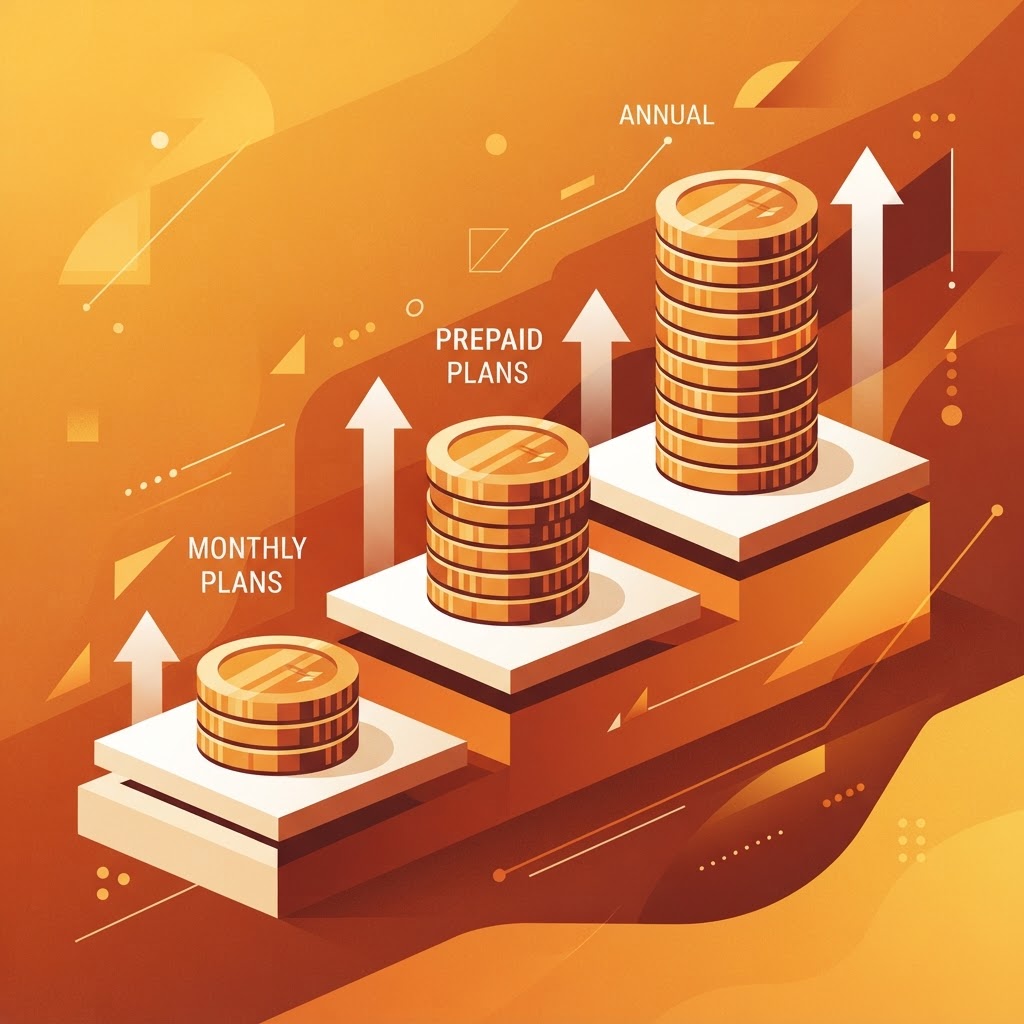
Engagements start from $2,999 for Rapid Launch, run through the full Growth Ecosystem from $4,999, up to a Strategic Retainer from $750 per month. Every engagement begins with a free strategy call where we recommend the right path for your stage, with no upsell pressure. You can see the full pricing breakdown on our pricing page.
What is included in the Rapid Launch package?
Rapid Launch is a fast-track, fixed-scope build for founders who need to get to revenue quickly. It includes platform strategy, offer and pricing design, a conversion-focused website build, core lifecycle setup, and launch support. It is designed for early-stage subscription businesses that want a strong foundation without a long engagement.
What is included in the Growth Ecosystem engagement?
Growth Ecosystem is the full growth engine: deep discovery and strategy, psychology-led website build, retention and churn engineering, lifecycle automation, A/B testing setup, and post-launch optimization. It is built for subscription businesses that want the full system, not just a page, and want it compounding from day one.
What does the Strategic Retainer cover?
The Strategic Retainer is a month-to-month partnership for established brands. It covers ongoing optimization, continuous A/B testing, quarterly roadmapping, retention and churn work, and direct access to Alex. It is for founders who want a long-term growth partner compounding results quarter over quarter, with no lock-in.
Do you offer payment plans or flexible billing?
Yes. We offer payment plans, BNPL and Afterpay, scoped fixed-price projects, and deferred start dates. We make investing in growth as accessible as we can, because we would rather you start now and compound sooner. Tell us your budget on the call and we will find a structure that works.
Is there a long contract or lock-in?
No lock-in, ever. Retainers are month-to-month and we earn your renewal with results. Project work is scoped and fixed-price, with no surprise invoices and no scope-creep games. If we are not delivering, you are free to walk. We are confident enough in our work to make that the deal.
Do you offer revenue-share or performance-based pricing?
We do not offer pure revenue-share or performance-only pricing, because it misaligns incentives and is rarely sustainable for either side. We do offer scoped fixed-price projects and monthly retainers, and we are transparent about what each engagement is designed to deliver. If you want upside tied to results, the Strategic Retainer is the closest fit.
Results & trust
Are your results and testimonials real, not AI-generated?
Every result and testimonial on our site is from a real, verifiable client. We do not use AI-generated or stock testimonials, avatars, or fabricated metrics. You can see the real faces, real brands, and real numbers on our results page. Trust is the whole point of a partnership, and fake social proof erodes it.
What results have you achieved for subscription clients?
Results vary by engagement, but our case studies include MRR lifts, churn reductions, conversion-rate improvements, and successful launches across subscription boxes, memberships, media, and commerce. Specific outcomes are documented with the client's name, brand, and verifiable metrics on our results page, not as anonymous claims.
What happens after launch - do you disappear?
No. Post-launch support, quarterly roadmaps, and ongoing optimization are built into every engagement. We retain clients for years, not because of contracts, but because we keep generating results. Launch is the starting line, not the finish line, and we run the whole race with you.
Who actually does the work - will I get handed to a junior?
No junior hand-offs, ever. You work directly with an operator who has 20+ years of subscription experience. The person you talk to on the strategy call is the person who does the work. There are no account managers, no bait-and-switch, and no getting passed down the chain.
Can I speak to past clients before I commit?
Yes. We are happy to connect serious prospects with past clients who have agreed to share their experience. We also publish verified testimonials with real names, brands, and photos on our testimonials page, so you can hear directly from founders who have been in your seat.
What if I am not happy with the work?
Project work is scoped and fixed-price, so you know exactly what you are getting before we start. If something is not right, we fix it. Retainers are month-to-month, so if we are not delivering, you are free to leave with no lock-in. We would rather lose a client honestly than keep one unhappy.
Platforms & technology
Which subscription platforms do you build on?
We build on Subbly, Shopify plus Recharge, WooCommerce, Kajabi, Circle, and custom stacks. We are genuinely platform-agnostic and recommend based on your business model, stage, and growth plans, not on a platform quota or referral fee. If a custom build is the right answer, we build it; if an off-the-shelf platform is better, we use it.
How do I choose between Subbly, Shopify, and Recharge?
Subbly is purpose-built for subscription boxes and memberships and is strong for founders who want an all-in-one subscription platform. Shopify plus Recharge is ideal if you have a large one-time-purchase catalog and want to add or grow subscriptions inside an established storefront. WooCommerce suits founders who want full control and self-hosting. The right choice depends on your product, catalog size, and growth plans, which we map on a strategy call.
Do you build custom subscription websites?
Yes. When no off-the-shelf platform fits, we build custom subscription stacks tailored to your business logic, checkout, and retention flows. Custom builds make sense when your model is unusual, you need deep integrations, or you have outgrown the limits of a packaged platform. We help you decide whether custom is actually warranted before you pay for one.
Can you migrate my subscription business to a new platform?
Yes. We handle migrations between Subbly, Shopify plus Recharge, WooCommerce, Kajabi, Circle, and custom builds, preserving subscriber data, billing history, and active subscriptions where the platforms allow. Migration is also the right time to fix the offer, pricing, and retention flows that the wrong platform forced you into.
Do you work with WooCommerce, Kajabi, or Circle?
Yes. We work with WooCommerce for self-hosted subscription stores, Kajabi for knowledge and course memberships, and Circle for community-led memberships. Each platform has distinct strengths for different business models, and we recommend the one that fits your product and audience, not the one we happen to prefer.
Will my subscription website be mobile-friendly and fast?
Yes. Every site we build is responsive, mobile-first, and optimized for Core Web Vitals (load speed, interactivity, and visual stability). Most subscription traffic is mobile, so conversion and speed on phones is a core deliverable, not an afterthought. Fast, mobile-optimized pages also support SEO and search ranking.
Retention, churn & growth
What is retention engineering and why does it matter for subscriptions?
Retention engineering is the deliberate design of flows, automations, and interventions that keep subscribers paying longer. It matters because in a subscription business, lifetime value is driven by retention, not acquisition. A 1% improvement in monthly churn can compound into double-digit revenue growth over a year. Retention is the 90% of the work that most agencies skip and where compounding growth actually happens.
How do you reduce subscription churn?
We reduce churn with a combination of proactive and reactive work: onboarding flows that set the right expectations, lifecycle automations that keep subscribers engaged, churn interventions that trigger when a subscriber shows cancellation intent, win-back flows for lapsed customers, and dunning workflows that recover failed payments. We also fix the offer, pricing, and positioning issues that cause voluntary churn in the first place.
What is a churn intervention or win-back flow?
A churn intervention is an automated sequence that triggers when a subscriber shows cancellation intent, offering a pause, a downgrade, a discount, or a reason to stay before they leave. A win-back flow targets subscribers who have already cancelled or lapsed, with timed messages and offers designed to bring them back. Together they recover revenue that would otherwise be lost.
How does lifecycle automation work for a subscription business?
Lifecycle automation sends the right message to the right subscriber at the right time based on their stage: welcome, onboarding, first renewal, milestone, at-risk, and lapsed. It runs on email, SMS, and in-app channels, and it is the system that turns a one-time purchase into a long-term relationship without manual effort from you.
What is a dunning workflow and why do I need one?
A dunning workflow is the automated sequence that handles failed subscription payments. When a card declines, dunning retries the charge on an optimized schedule and emails the subscriber to update their payment method. Good dunning recovers a significant percentage of involuntary churn (failed payments) that would otherwise silently cancel subscriptions and bleed revenue.
Do you run A/B tests on subscription checkout and pricing?
Yes. We A/B test checkout flows, pricing displays, offer structures, trial lengths, and upsell placement to find what actually converts and retains for your audience. Testing removes guesswork and compounds: small conversion lifts stack on top of retention gains to materially increase lifetime value over time.
Process & timeline
How long does a subscription website take to build?
A Rapid Launch build typically takes 2 to 4 weeks. A full Growth Ecosystem engagement takes 6 to 10 weeks depending on scope, platform, and complexity. Custom builds and migrations can take longer. We give you a fixed timeline before we start, and we hit it, because every project is scoped and fixed-price.
What is your process for building a subscription business?
Our process has four phases: discovery and strategy, psychology-led build and launch, retention and churn engineering, then ongoing compounding optimization. We start with strategy so the build is grounded in your business and your customer, not in a template. We engineer retention from day one, and we stay past launch to compound results.
How quickly can you launch my subscription site?
For a scoped Rapid Launch, we can get a subscription site live in 2 to 4 weeks from kickoff. Faster launches are possible for simpler builds. Speed never comes at the expense of strategy: we still design the offer, pricing, and core retention flows before build, because launching the wrong thing fast is more expensive than launching the right thing slightly slower.
What happens during the discovery and strategy phase?
In discovery we learn your business, your customer, your numbers, and your goals. We map the offer, pricing, platform, and retention strategy before any design or build starts. This phase is where the highest-leverage decisions happen, and it is why our builds perform: they are grounded in strategy, not guesswork. Discovery is included in every engagement.
What do you need from me to get started?
We need access to your current platform and analytics (if you are live), clarity on your offer and audience, and your availability for a kickoff call and a few review points. We do not need a brief document or a finished plan; part of what you hire us for is helping you build that plan. We keep the ask on your time light and focused.
Working together
Who will I be working with day to day?
You work directly with Alex, the founder and operator, who has 20+ years of subscription experience. There are no account managers and no junior hand-offs. The person you talk to on the strategy call is the person who does the work, which keeps decisions fast and accountability clear.
How do you communicate during a project?
We communicate through a shared project channel (email or a lightweight project tool), with scheduled check-ins at key milestones and async updates as work progresses. You always know what is happening, what is next, and what we need from you. We keep communication focused so you can run your business while we build.
Do you offer ongoing support after launch?
Yes. Post-launch support is built into every engagement, and ongoing optimization is available through the Strategic Retainer. We retain clients for years because we keep generating results, not because of contracts. Launch is the starting line, and we run the whole race with you.
Do you work with clients remotely or in person?
We work remotely with subscription founders worldwide. Our entire process, from strategy call to launch to ongoing optimization, is designed to run smoothly over video and async communication, so location is never a barrier to working together.
How do I get started with Subscription Scale?
Book a free 30-minute strategy call. On the call we learn your business, your stage, and your goals, and we recommend the right engagement for you with no upsell pressure. If we are a fit, we send a scoped proposal. If we are not, you still leave the call with clarity on what to do next.